Blog / 2026 / Breaking Art World Rules: Making Custom Art
June 3, 2026
“I have come to this tuberculous place to avoid portraits.”
So wrote the famous portraitist John Singer Sargent in a letter to a friend from Palermo in 1901, managing to insult both Sicily and custom-made art in one pithy line.
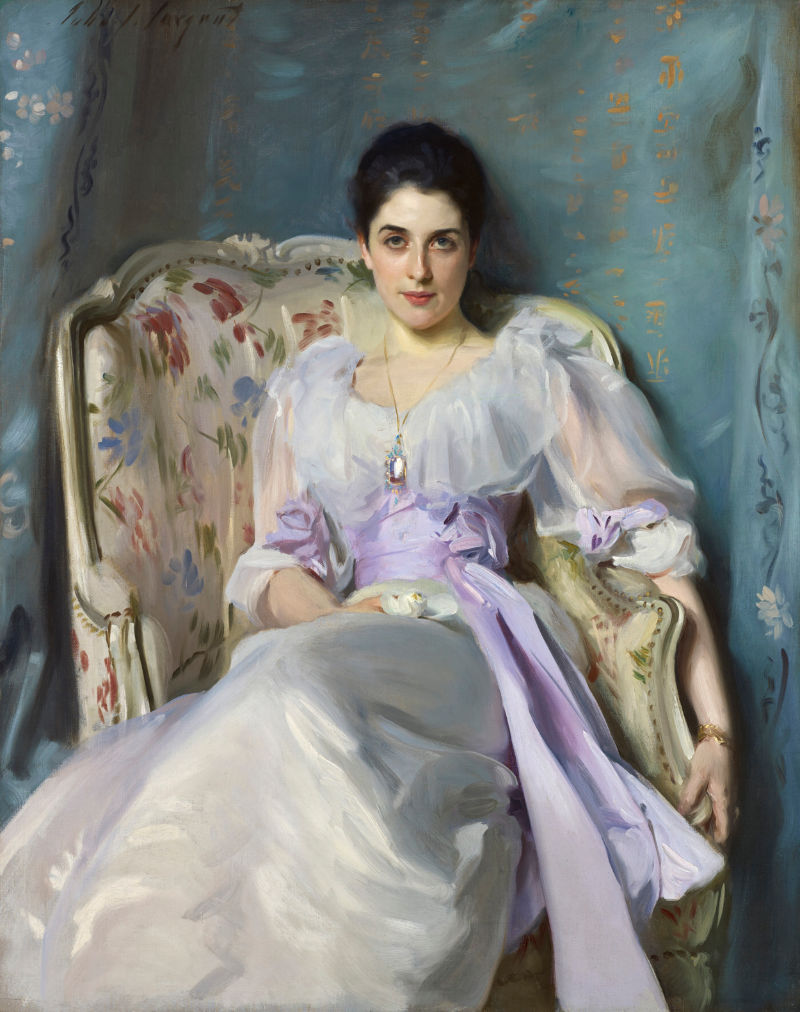
I ran across Sargent’s words in art historian Elizabeth Cayzer’s book Changing Perceptions early on in my career, and they stuck with me because they summed up so perfectly the art world’s boldfaced judgment.
Custom art isn’t real art.
Sargent knew that was how the portraits he painted for clients were perceived, and he might have even agreed with the assessment. At the very least, it made him resentful of the sort of art he was best known for: commissioned portraits.
And he’s not alone. “To make custom art or not to make custom art?” That is the question that plagues many fine artists, usually playing out like so:
- The money from commissions can make being a full-time artist possible if you’re not independently wealthy, but is it worth the hassle of dealing with indecisive or demanding clients?
- Will allowing customers to dictate what your art looks like affect the work you make when you don’t have a particular client in mind?
- Does commission money sully the purity of your entire oeuvre and call into question your status as a fine artist?
Unlike Sargent, few creatives have to hide away in a locale they deem disease-ridden in order to avoid people pestering them to make custom art, but most will have to wrestle with the question of whether or not to accept commission work at some point.
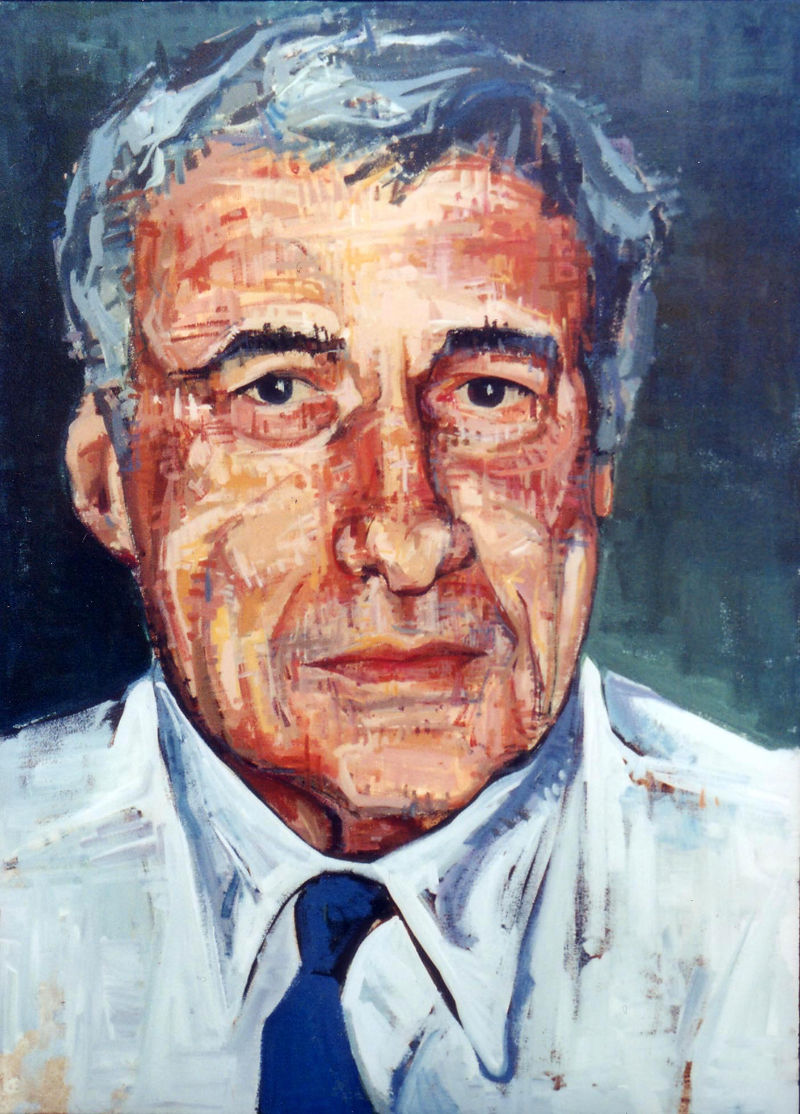
Don
2003
acrylic on canvas
36 x 24 inches
It was May 2003, and I was getting ready to graduate with a BA in studio art, art history, and French, when I’d already accepted my first five portrait commissions. One was from a friend. Two were from staff members at my university’s art museum, where I’d worked throughout my time in school. And the other two were from alums who’d seen my art in the graduate show.
The decision to accept these custom jobs felt natural to me. I wanted to be an artist, and I didn’t have family wealth that could float me, so I needed to start making money with my art immediately. Doing commission work was the only logical choice.
The portrait shown above is one of those early custom pieces. It represents the moment I realized that commissioned portraits are’t just a matter of painting a particular person: they’re a tangle of needs and expectations, both mine and the client’s.
Until Don’s portrait I’d always worked from photos I took myself of the subject, but that wouldn’t be possible here, because Don had passed away. To paint him, I would, for the first time, be painting from images provided by the clients, who were the partners in the law firm that Don had helped establish.

Earlier this spring, this pic appeared in my inbox with the message “is this your work?” A lawyer who was a friend from high school had been surprised by the painting when he arrived at another lawyer’s offices for a deposition. I was more than a little pleased that, 23 years later, the work is still so valued by the firm.
In the past two decades—even as recently as last year when I was painting the portrait featured in this video—I’ve gone back to the three questions most artists must face at some point in their career.
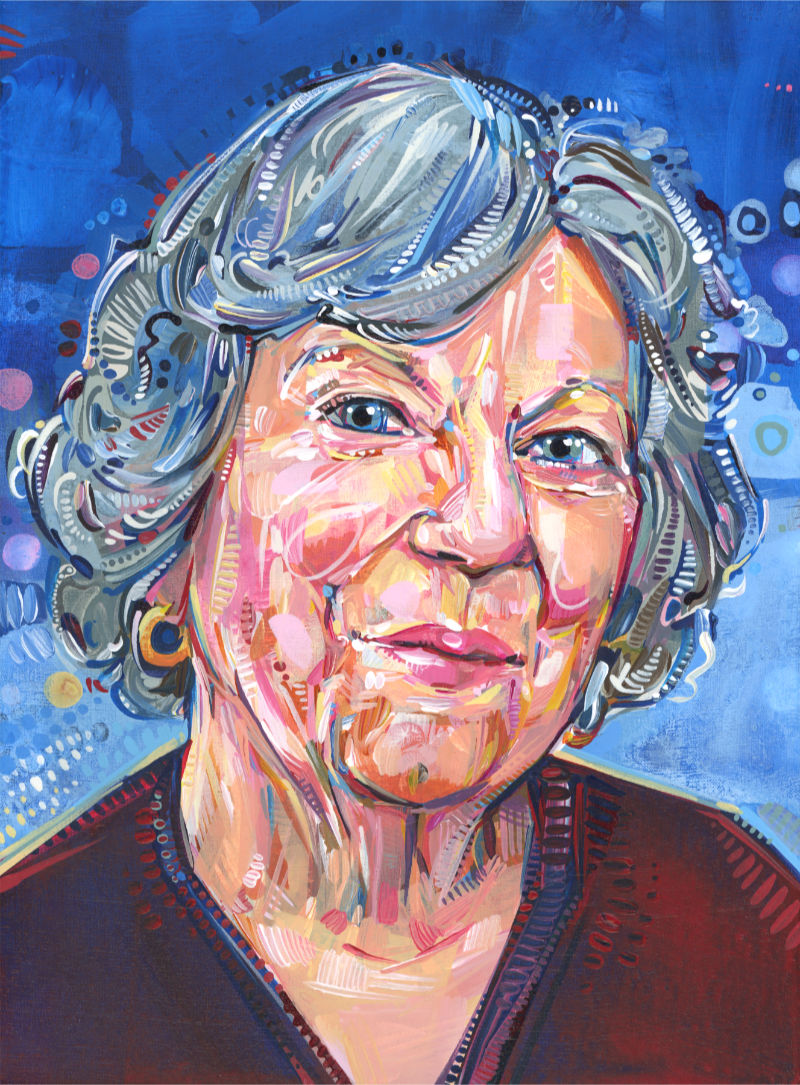
Juanita
2025
acrylic on linen
12 x 9 inches
1. Is commission work worth all the trouble?
Absolutely.
I would never have been able to be a full-time artist without taking on custom work, and focussing exclusively on painting has been a source of immense happiness and creativity in my life.
Many clients are lovely, and some are not. But, though dealing with the less laid-back customers is stressful, I’ve come to understand that it’s also a skill that can be honed. I wrote an advice column for artists looking to do commission work 17 years ago that I still think is some of my best work on this blog.
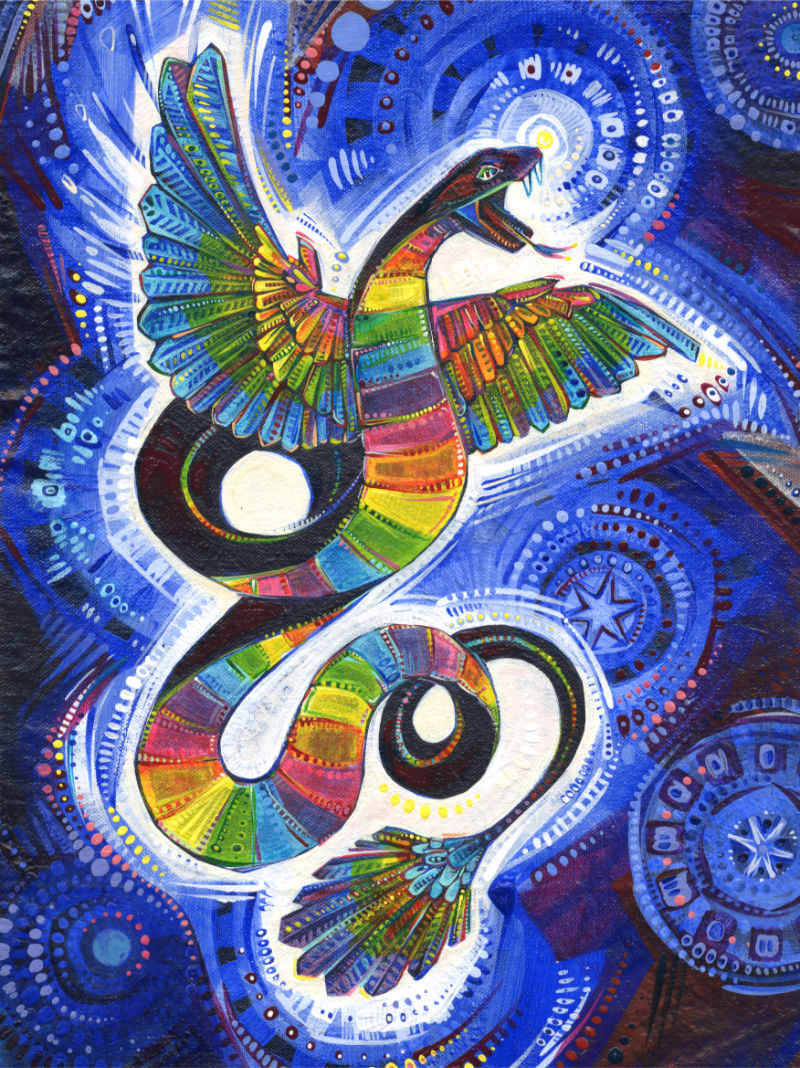
Soulforce Serpentdove
2021
acrylic on unstretched canvas
16 x 12 inches
2. Does custom art influence the rest of my work?
Yes.
That can obviously be bad, as it can set artists on the dreaded path of making people pleasing art. But—and this is not talked about nearly enough—it can also be really good, like in the case of this colorful snake with wings.
In 2021, Soulforce, a social justice organization that’s working to end religious and political oppression against LGBTQ people, commissioned me to make this rainbow serpentdove, a queer religious symbol. I’d painted rainbow animals before this, but in 2022 I created a Progress Pride flag tiger that led to a duck and a crab and eventually to Eeyore among many other creatures. I might have eventually made this Pride series without Soulforce’s commission, but I’m certain their serpentdove got me there more quickly.

Only This and Nothing More
2024
acrylic on panel
9 x 12 inches
3. Do others judge me?
Of course.
People have a lot of opinions about each other. There will always be someone who thinks that you’re less of an artist because of some choice you made, often having to do with the money you’re earning.
In 2023, I ran a Kickstarter and one of the rewards I offered was the possibility of commissioning me to make a painting based on five words of the client’s choosing. That’s how this cat made of cosmos contained in a cardboard box came to be, with the five words being: “only this and nothing more.” This commission was satisfying on multiple levels, as I explain in the video of the making of.
I definitely don’t have Sargent’s talent for the witty takedown, but I’ll say this much:
As long as I’m working in a way that aligns with my values, then art world rules can suck my paintbrush.
This article is part of an ongoing series I’m doing about breaking art world rules by doing things like:
- Wanting to make money with art.
- Painting portraits.
- Doing commission work.
Maybe this post made you think of something you want to tell me? Or perhaps you have a question about my art? I’d love to hear from you!
To receive an email every time I publish a new article or video, sign up for my special mailing list.
If you enjoyed this post, Ko-fi allows you to donate. Every dollar you give is worth a bajillion to me!